Keeping Polish Alive Abroad – A Challenge for Polish Parents
Are you Polish parents living abroad? Do you want your children to succeed in their new country while still maintaining a strong connection to Poland, Polish culture and their heritage?
One of the biggest challenges many Polish families face is maintaining the Polish language at home. What feels natural at first can gradually become more difficult as school, friends and everyday life in another language begin to take over.
Why is it so difficult to maintain Polish abroad?
Polish children often become fluent very quickly in the language of the country they live in — English, German, Dutch, Norwegian, Spanish or another language — because they use it for most of the day. They hear it at school or preschool, with friends and throughout everyday life.
Polish, on the other hand, may gradually become limited to simple conversations at home. Over time, children may:
- start replying in English, German or another local language,
- mix languages,
- avoid speaking Polish,
- struggle with reading and writing in Polish,
- understand Polish but feel less confident speaking it themselves.
Research on Polish diaspora communities suggests that without conscious and consistent effort, Polish can weaken significantly by the second generation. Everyday conversation alone may not always be enough. Children benefit from rich exposure to the language through stories, books and conversations about emotions, school, family, dreams and more complex ideas.
Why is it worth maintaining Polish?
Keeping Polish alive is about much more than sentiment. It can bring meaningful benefits for the child, the family and their future.
Stronger family connections
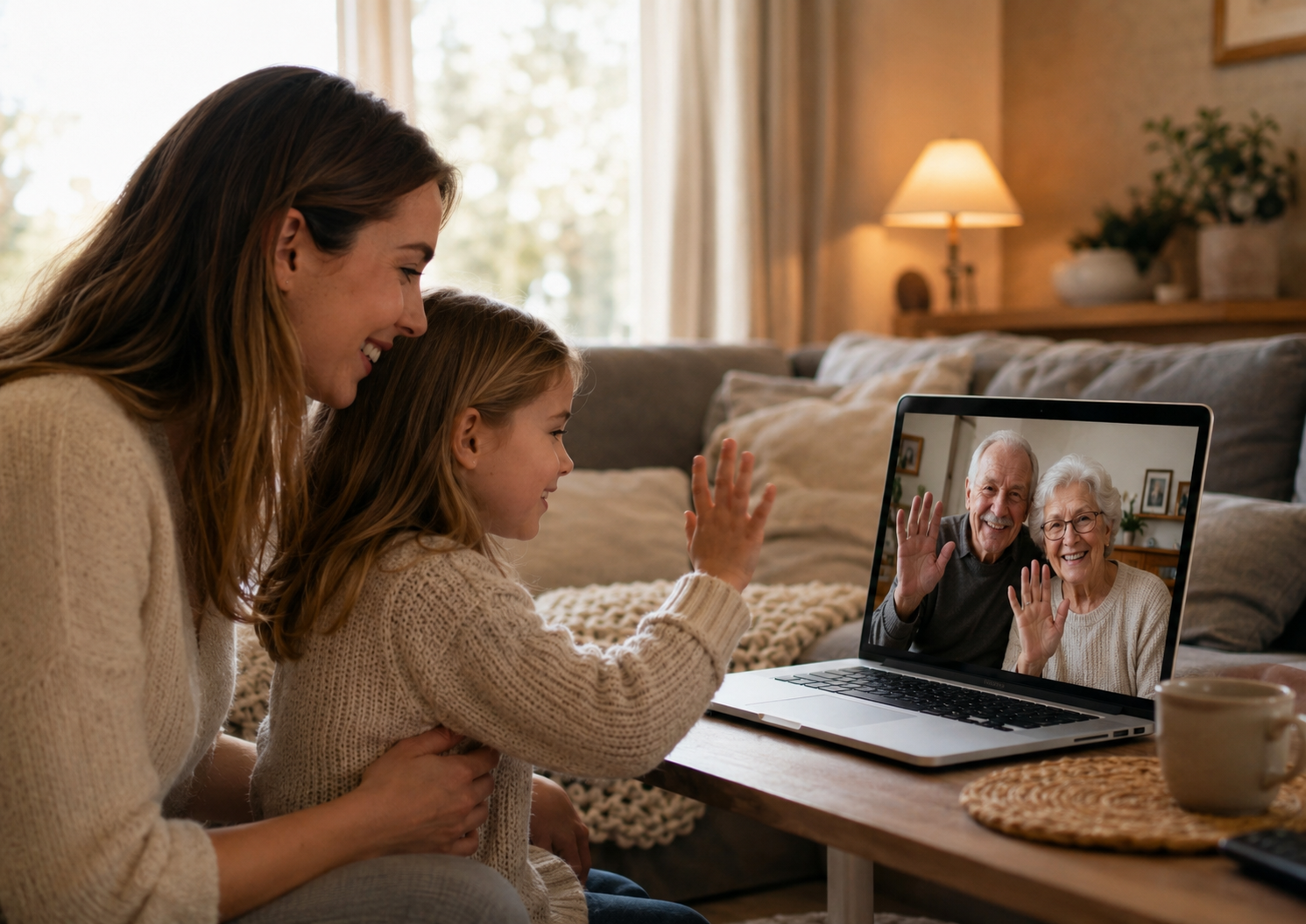
A child who speaks Polish well can communicate more easily with parents, grandparents and relatives in Poland. They can talk more freely about their feelings, needs and experiences.
Language is more than words. It carries closeness, memories and family stories.
Benefits of bilingualism
Growing up with more than one language gives children regular practice in moving between different ways of expressing and understanding ideas. Bilingualism can support cognitive flexibility and gives children the opportunity to experience the world from more than one linguistic and cultural perspective.
Identity and confidence
Knowing Polish can help children understand where their family comes from. It gives them a connection to their roots, family history and Polish heritage.
When children know the language of their parents and grandparents, it can help Polish culture feel like a natural part of who they are.
Future opportunities
Knowing Polish may also create opportunities later in life — for study, work, family relationships, travel and international experiences.
Many adults who grew up in immigrant families later wish they had maintained more of their parents’ language when they were children.
Common challenges for Polish parents abroad
Many parents want to maintain Polish, but everyday life abroad can make it difficult. Common challenges include:
- a child asking, “Why should I speak Polish if everyone speaks English?”
- lack of time and energy after work, school and preschool,
- limited access to Polish books and resources,
- mixed-language families where only one parent speaks Polish,
- pressure to fit into the local culture,
- the dominance of the local language at school, in the media and among friends.
All of this means that maintaining Polish abroad usually requires conscious effort.
It is often not enough simply to hope that the language will stay naturally.
Practical ways to support Polish at home
You do not have to do everything perfectly. Small things done regularly can make a big difference.
Consistency
Create clear situations in which Polish is naturally used. For example:
- we speak Polish at home,
- we speak Polish with Mum,
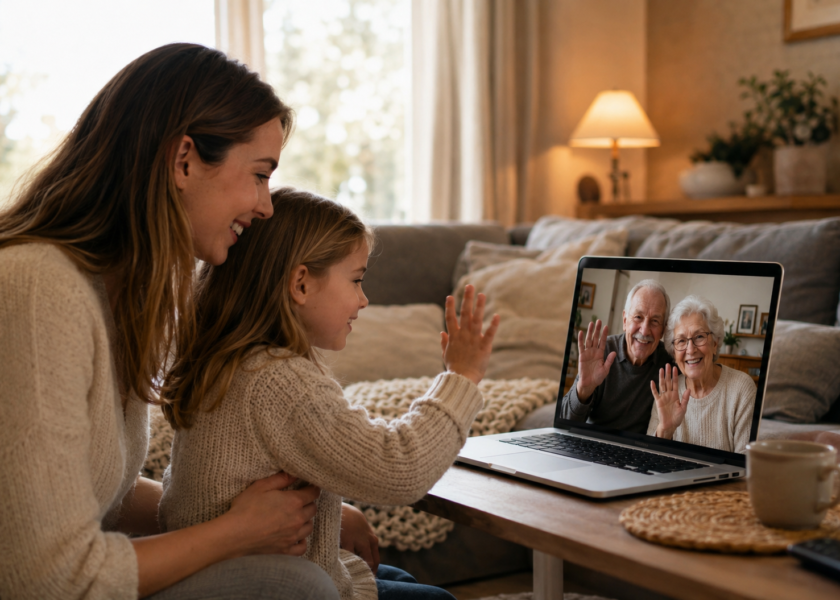
- we use Polish when talking to grandparents,
- bedtime stories are always in Polish.
Consistency helps children understand that Polish has an important and natural place in everyday family life.
Rich language exposure
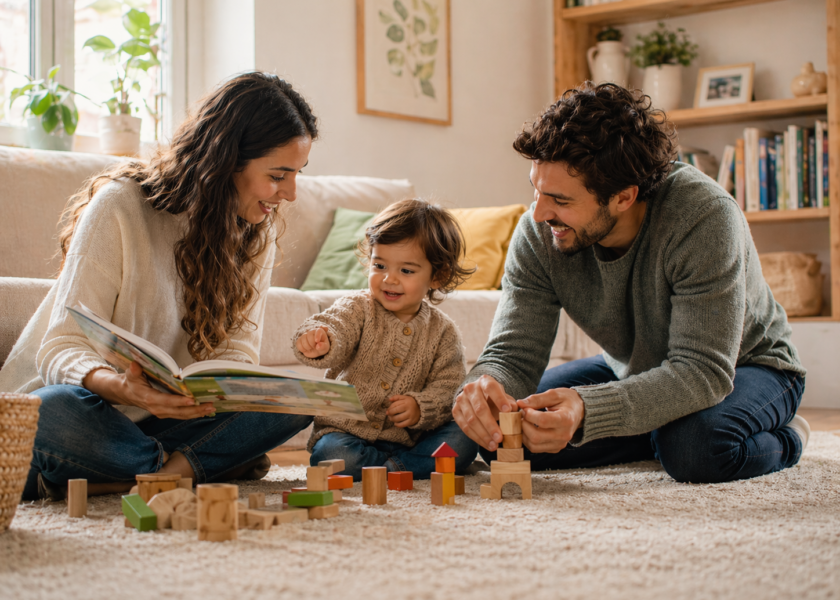
Read Polish books regularly, even if it is only for a few minutes a day. Watch Polish cartoons and films, listen to Polish songs, rhymes and podcasts.
Talk in Polish not only about simple everyday things, but also about:
- school,
- feelings,
- friendships,
- dreams,
- problems,
- things your child enjoys or worries about.
Children need Polish for more than instructions such as “Put your shoes on” or “Wash your hands.”
They also need language that helps them think, feel and talk about the world.
Living Polish
Consider joining a Polish Saturday school, Polish scouting group or local Polish community.
Look for other Polish families nearby and organise playdates, activities or outings with children who also hear or speak Polish.
When children see that Polish is not only “Mum’s language” or “Dad’s language,” it can become a more natural part of their wider world.
Culture and traditions
Cook Polish food together.
Celebrate Christmas Eve, Easter, Grandmother’s Day, Grandfather’s Day, Polish Independence Day and other meaningful traditions.
Talk about Poland, look at family photos, listen to Polish music and visit Poland when possible.
Language often becomes more meaningful for children when it is connected to emotions, smells, tastes, traditions and memories.
Patience and a positive approach
There may be periods of resistance.
Your child might not want to speak Polish. They may reply in the language of the country you live in. They may say Polish is difficult or unnecessary.
That can be frustrating, but pressure and shame are unlikely to help.
Instead, you can gently model Polish and continue using it naturally.
For example:
Child: “I want water.”
Parent: “Chcesz wodę? Jasne, już podaję wodę.”
Without embarrassment. Without pressure. But with consistency.
Developing reading and writing
Reading and writing in Polish can be introduced gradually.
Start with simple books, labels under pictures, short sentences and letter games.
Good starting points include:
- reading a short Polish book before bed,
- writing cards or messages to grandparents,
- labelling drawings in Polish,
- making a shopping list in Polish,
- reading simple Polish rhymes and song lyrics.
It is not about perfection.
It is about regular contact with written Polish.
It is never too late
Remember: it is never too late to strengthen your child’s Polish.
The earlier you begin making Polish a conscious part of everyday life, the easier it may be to maintain.
Young children often absorb language naturally through repetition, music, play and everyday situations. Older children may need more motivation, but they can still strengthen or rebuild their connection with Polish — especially when the language is associated with family, closeness and something meaningful.
Summary
Maintaining Polish abroad is a marathon, not a sprint.
It takes regular effort, creativity and sometimes the support of the wider Polish community. But the reward can be incredibly meaningful.
A child who feels at home in two languages and two cultures can grow up with a strong connection to family, heritage and the wider world.
If you are also trying to keep Polish alive for your children, you are not alone. Thousands of Polish families around the world are working towards the same goal.
Step by step.
Word by word.
Song by song